

Focused work with a wider view
The source gets traced
We follow the likely water path instead of patching the first visible mark.
Sound areas stay in place
A proportionate repair avoids stripping serviceable covering without cause.
Nearby details are checked
We inspect adjoining junctions that may share the same wear or damage.
Fix the fault, not only the damp mark
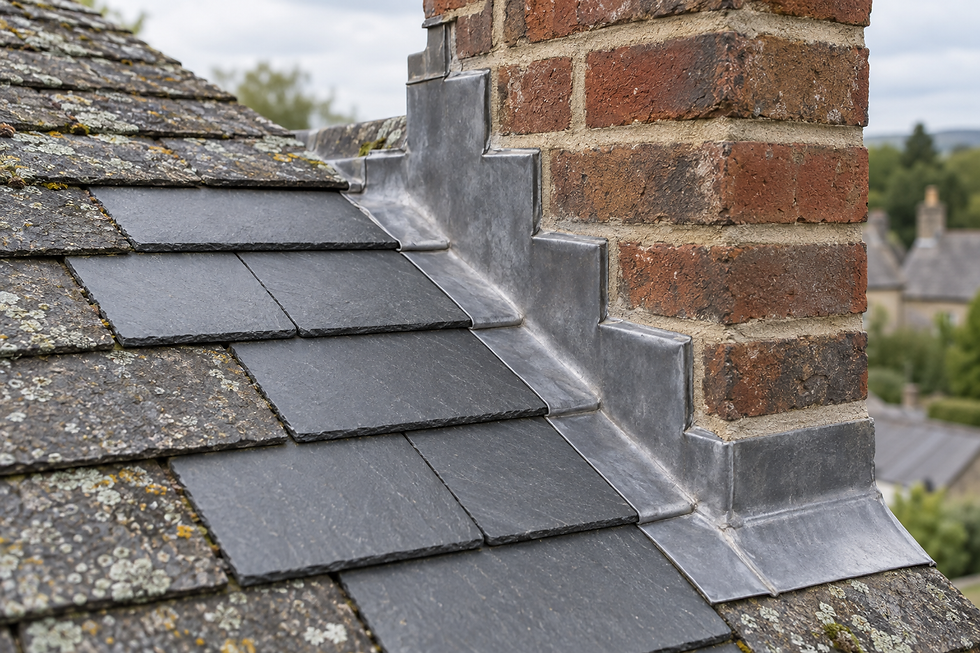
The stain on a ceiling isn't always below the hole in the roof. Water can run along underlay, rafters or junctions before it becomes visible indoors. We trace the likely route and inspect displaced coverings, broken tiles or slates, failed mortar and damaged flashing. Weather can also expose an older weakness that was already developing. For roof repair in Ruislip, we assess the visible symptom alongside the external roof condition. Once we understand the likely defect, we can remove failed material and fit a compatible repair without disturbing sound areas unnecessarily.
Know when a local repair is enough
A focused repair often makes sense when damage is limited and the surrounding roof remains serviceable. Repeated leaks, widespread covering failure or several weak junctions may point to a larger problem. We look at the age, spread and history of the damage before explaining the practical options. Safe access comes first, followed by removal of failed material, repair of the diagnosed area and checks to nearby vulnerable details. Prompt work can reduce the amount of moisture reaching timbers, ceilings and finishes while helping preserve the useful parts of the existing roof.
Frequently asked questions
Why is the ceiling stain away from the roof defect?
Water often travels beneath the covering or along timbers before it appears inside. Wind can also drive rain sideways around flashing and junctions. We compare internal evidence with the roof layout to narrow down the entry point.
Can one broken tile be repaired on its own?
It may be possible where damage is isolated and the surrounding covering, fixings and underlay remain sound. We still check nearby units and junctions because one visible break can sit beside less obvious weathering.
How do we know if replacement is more suitable?
We consider how much of the roof has failed, whether leaks keep returning and how consistent the remaining covering is. If defects are widespread, we explain why repeated local repairs may no longer be proportionate.